The honest answer is: it depends on what is actually wrong with the cart. A loose battery cable is a quick fix. A tired six-battery lead-acid pack is a bigger job. This guide breaks down what drives golf cart repair cost in Mesa and the East Valley, so you can walk into any shop — including ours at 5323 E Main St, Mesa, AZ 85205 — knowing what questions to ask.
Every number below is a general ballpark for the Phoenix East Valley, not a firm quote. Carts vary a lot by brand, age, and how they have been treated in the Arizona heat. For a real price on your cart, call (480) 861-1436 and describe the symptoms — we will tell you what to expect before any work begins.
What actually drives the cost of a golf cart repair
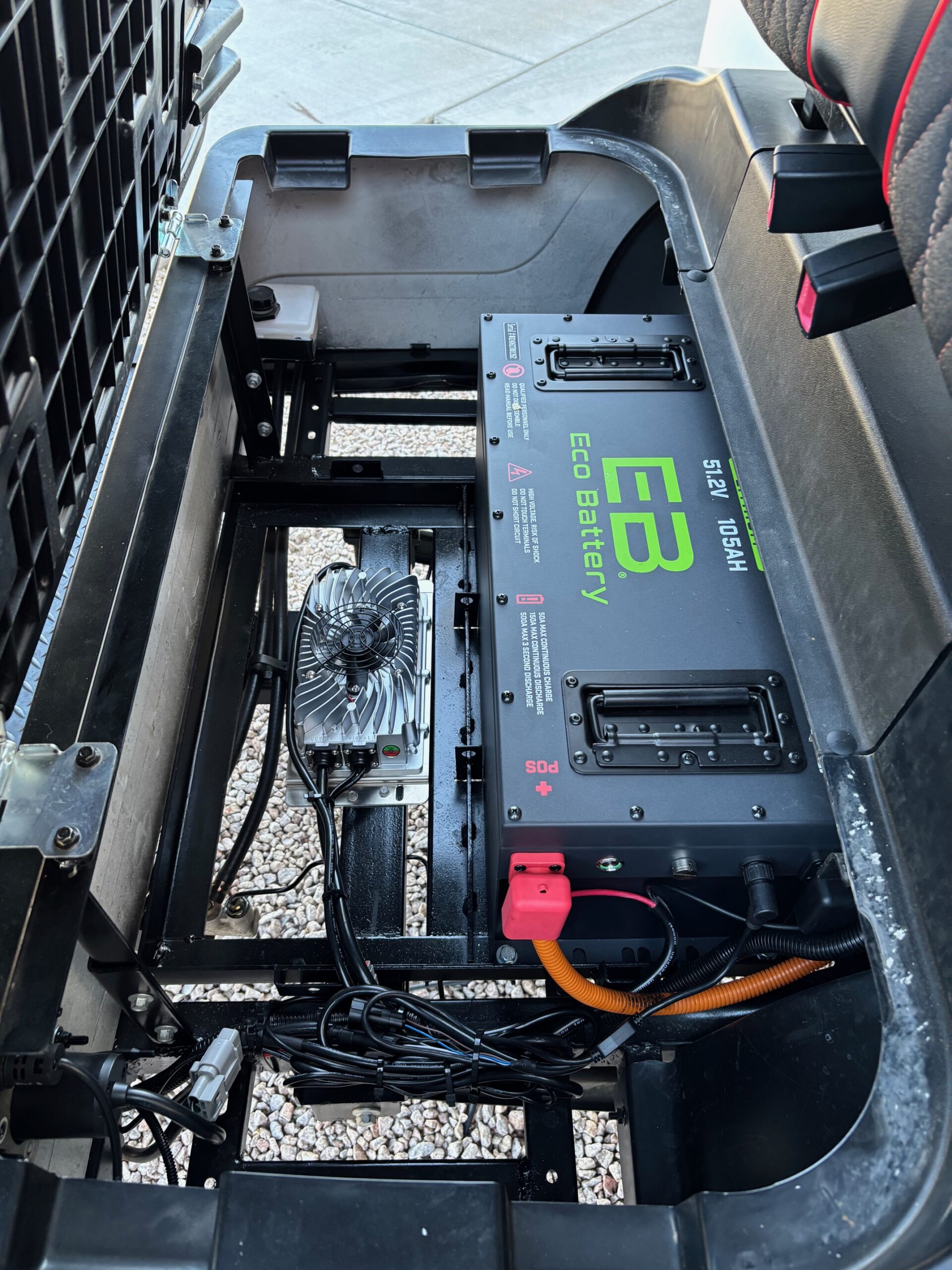
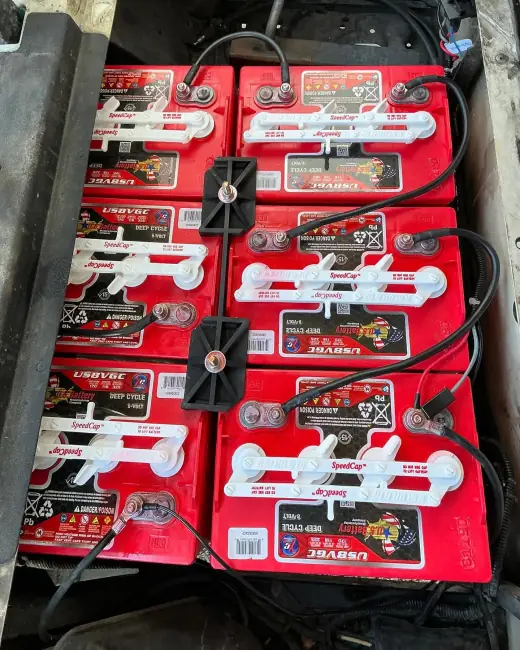
Most golf cart repair bills come down to four things: batteries, electrical components, brakes, and tires. Batteries are the single biggest line item on electric carts — a full lead-acid pack replacement is a significant purchase, and a lithium upgrade costs more up front but usually lasts far longer in Arizona conditions.
Labor is the other half of the equation. A shop that diagnoses carefully before replacing parts will usually cost you less over the life of the cart than one that swaps components until the problem goes away. That is why we start with the symptoms — what the cart does, when it does it, and what has already been replaced.
- Batteries: the most common big-ticket repair on electric carts, from a single bad battery to a full pack
- Electrical: chargers, solenoids, controllers, wiring, and corroded connections
- Brakes: shoes, cables, and drums that wear quietly until the cart will not stop like it should
- Tires and wheels: Arizona sun dry-rots sidewalls long before the tread wears out
Typical ballpark ranges in the East Valley
As very rough Valley-wide ballparks: small fixes like cables, terminals, a single tire, or a charger receptacle often land in the low hundreds. Mid-size jobs — brake work, a solenoid, a set of four tires — commonly run a few hundred dollars. Full battery pack replacements are usually four figures, with lithium conversions at the higher end of that range.
Treat those as orientation, not a menu. The same symptom can have a cheap cause or an expensive one — a cart that will not run might need a $20 fuse or a new controller. This is exactly why a real diagnosis matters before anyone quotes you a number.
Repair it or replace it?
If the frame and drivetrain are sound, repairing is almost always cheaper than replacing the cart. A solid older EZ-GO, Club Car, or Yamaha with fresh batteries can run for years. The math changes when a cart needs batteries and a controller and tires and brakes all at once — at that point it is worth comparing the repair bill against a rebuilt cart with a known history.
We sell rebuilt and new carts at the same Mesa shop that does the repairs, so we can put both numbers in front of you and let you decide. There is no pressure either way — a repair customer who trusts us is worth more than a one-time sale.
How to get an exact quote without wasting a trip
Call (480) 861-1436 and describe three things: the brand and rough year of the cart, what the batteries and charger are doing, and the exact symptom — will not start, loses power on hills, runs then dies, and so on. That is usually enough for us to tell you the likely causes and what the fix tends to cost.
If the cart is not drivable, ask about mobile repair or pickup and delivery. We service carts across Mesa, Gilbert, Chandler, Queen Creek, Apache Junction, and the rest of the East Valley, so a dead cart in your garage is not a dead end.