Arizona is one of the best places in the country to own a golf cart and one of the hardest places to keep one healthy. Heat accelerates everything — battery water evaporates faster, rubber dries out sooner, and grease breaks down quicker. The difference between a cart that lasts fifteen years and one that eats a battery pack every three is mostly a service rhythm.
Here is the schedule we recommend to customers across Mesa, Sun Lakes, and the East Valley. None of it is complicated, and the parts you would rather not do yourself are exactly what our shop and mobile service exist for.
Monthly: the ten-minute checks
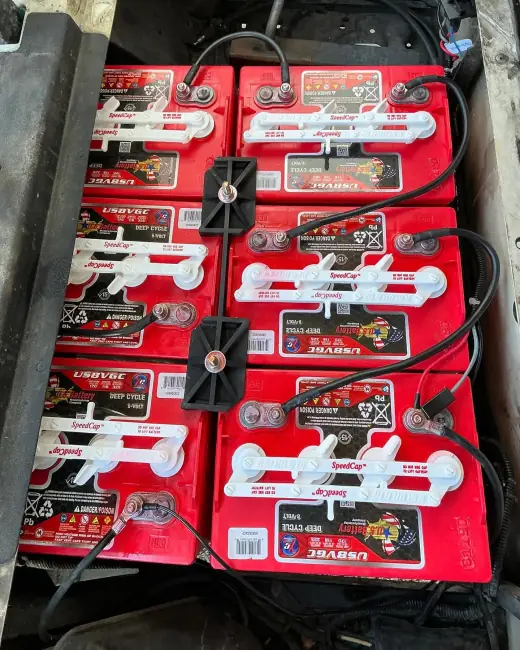
Once a month, give the cart ten minutes. On lead-acid packs, check the water level in every cell and top up with distilled water only — summer evaporation is the number one battery killer we see. While you are there, look at the terminals for white or green corrosion and make sure the connections are snug.
Then check tire pressure against the sidewall rating and take a quick look at the charger plug for heat damage. Low tires and corroded connections are two of the cheapest problems to catch early and two of the most expensive to ignore.
- Battery water level (lead-acid): top up with distilled water after charging, never before
- Terminals and cables: clean off corrosion, tighten connections
- Tire pressure: heat swings change it more than you would expect
- Charger and receptacle: look for melting, discoloration, or a loose fit
Before summer: the May inspection
Late spring is when to have the cart professionally looked over, because summer is when weak components fail. A pre-summer service covers a battery load test, charging system check, brake inspection, tire condition, and lubrication — the things that turn into a stranded cart in July if they are marginal in May.
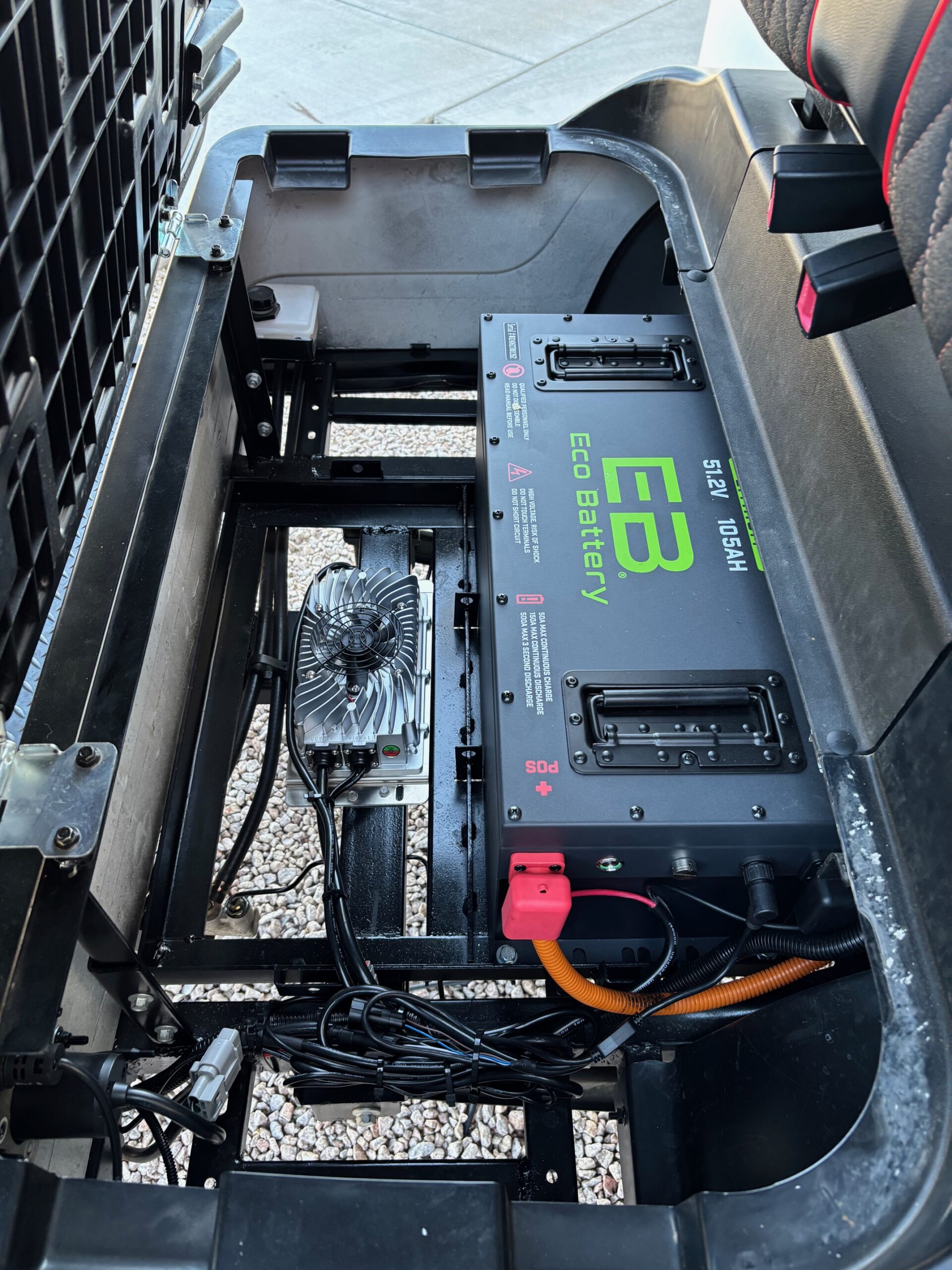
This is also the right moment to decide about lithium. If your lead-acid pack is on its last season, converting to lithium before summer means less maintenance, no watering, and better tolerance of Arizona duty cycles.
Leaving for the summer? Store the cart properly
A huge share of East Valley carts belong to seasonal residents, and carts suffer more from bad storage than from use. Before you head north: charge the pack fully, top up the water, disconnect or use a maintainer per your charger's design, park it in shade or a garage, and slightly overinflate the tires to limit flat spots.
A cart left on hot pavement with a half-charged pack from May to October very often comes back needing batteries. If you would rather hand the problem off, we offer pickup, storage-prep service, and a wake-up service when you return — call (480) 861-1436 before you leave town.
Annually: one real service, at the shop or your driveway
Once a year, the cart deserves a full inspection — batteries under load, controller and solenoid behavior, brake wear, steering and suspension, and a proper look underneath. For fleets, HOAs, and communities, we run this same rhythm on a contract basis so every cart in the fleet stays on schedule.
You do not have to bring the cart to us: our mobile service covers the East Valley, and pickup and delivery is available for shop-level work. The point is simply that the cart gets real eyes on it once a year before something fails on its own schedule instead of yours.